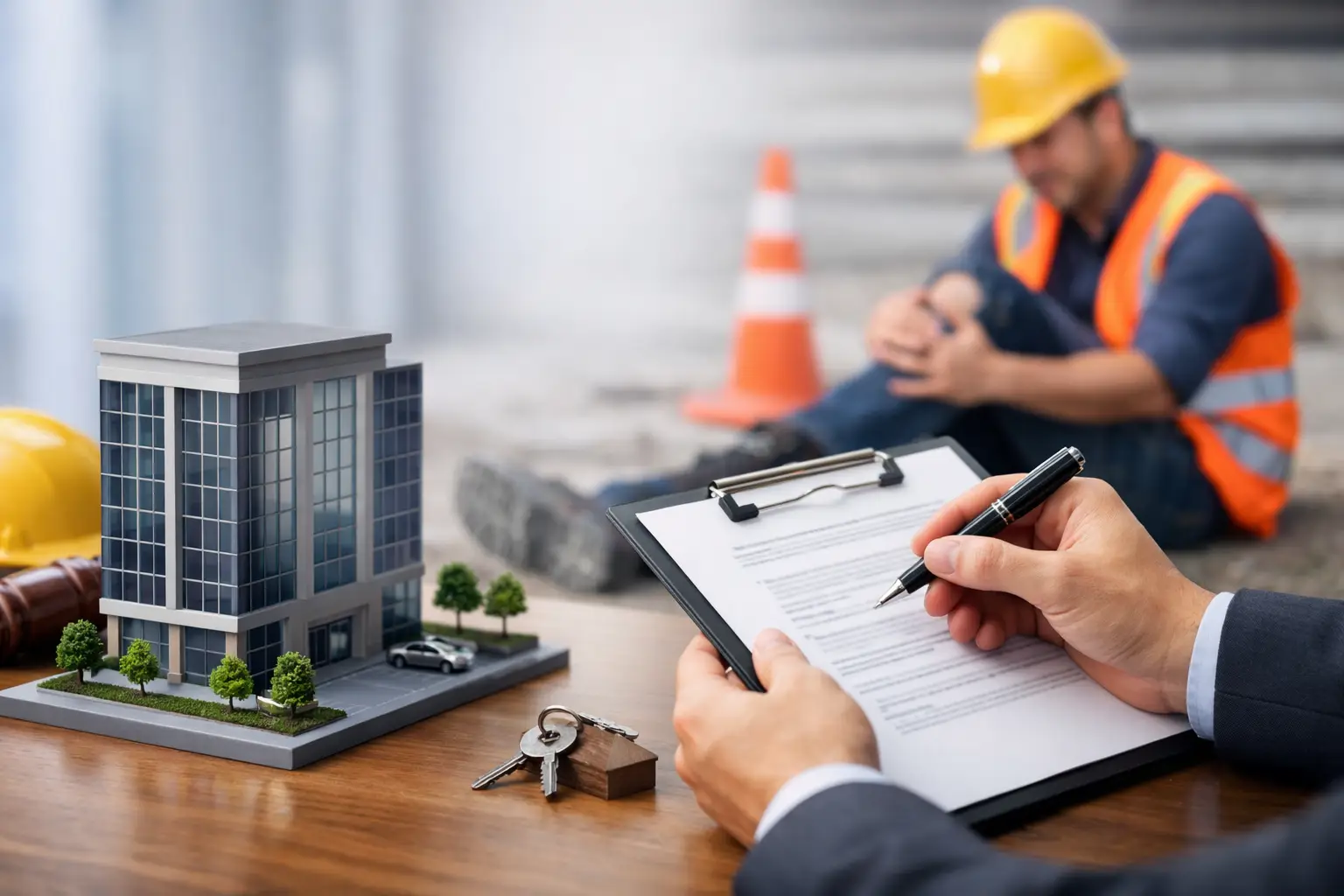
A customer slips on a wet floor. A ladder tips into a client’s window. A competitor says your ad crossed a line. If you’re asking what does general liability insurance cover, you’re really asking which everyday business mistakes could turn into expensive claims - and which ones won’t.
For many new business owners, general liability insurance is the first policy they buy because it covers some of the most common third-party risks. It is designed to help when your business is accused of causing bodily injury, property damage, or certain advertising-related harm to someone else. That matters whether you run a roofing company, a small retail shop, a consulting business, or a home service operation.
What does general liability insurance cover in plain English?
At a practical level, general liability insurance usually helps pay for claims when a third party says your business caused harm. A third party is basically anyone outside your business - customers, clients, property owners, vendors, or members of the public.
Most policies center on three core areas: bodily injury, property damage, and personal and advertising injury. They also typically include legal defense costs, which can be just as serious as the claim itself. Even if a lawsuit has little merit, defending it can still cost real money.
That said, coverage is never unlimited or all-purpose. Policies come with limits, exclusions, and conditions. The details matter, especially for contractors and newer businesses that assume they are covered for more than they really are.
Bodily injury coverage
This is one of the most common reasons businesses carry general liability insurance. If someone who is not your employee gets hurt and says your business was responsible, this part of the policy may help.
Picture a customer slipping in your office lobby or a passerby getting hit by debris while work is being done. If your business is found liable, the policy may help pay medical expenses, legal costs, settlements, or judgments up to the policy limit.
For California contractors, including newer roofing businesses, this can be especially relevant. Worksites create more chances for accidents involving property owners, tenants, or other third parties. A general liability policy is often part of what helps you show clients you take those risks seriously.
Property damage coverage
General liability insurance also commonly covers accidental damage your business causes to someone else’s property.
If you are working at a client’s location and accidentally damage a wall, floor, gate, or window, that may fall under property damage coverage. The same idea applies if your equipment causes damage during a job. For many service businesses, this is the part of the policy that feels most immediately useful because the scenario is easy to imagine.
Still, there are limits. General liability is generally about damage to property that belongs to someone else, not damage to your own tools, inventory, or building. If your own business property is damaged, that usually points to a different type of insurance.
Personal and advertising injury coverage
This category sounds vague, but it covers real situations. It often includes claims involving libel, slander, false advertising ideas, copyright issues in advertising, or wrongful eviction and similar offenses, depending on the policy wording.
For example, if a competitor claims your marketing harmed their reputation, or if your business is accused of using advertising material improperly, this part of the policy may respond. Not every small business owner thinks about this exposure at first, but it can matter if you advertise online, compare your service to competitors, or use outside marketing content.
This is also a good reminder that liability is not limited to accidents on a jobsite. Sometimes the claim starts with words, images, or business decisions.
Legal defense costs
One of the biggest reasons general liability insurance matters is the defense piece. A claim does not have to end in a huge payout to become expensive. Attorney fees, court costs, investigations, and settlements can add up fast.
If a covered claim is brought against your business, the insurer may provide a legal defense and pay related costs, subject to the policy terms. That can be a major financial relief for a first-time business owner who does not have cash set aside for a lawsuit.
This is where a lot of owners start to see the value. The policy is not just there for dramatic worst-case scenarios. It can also help with the cost of responding when someone blames your business and demands money.
What general liability insurance usually does not cover
This is where expectations need to stay realistic. General liability insurance is useful, but it does not cover every business problem.
It usually does not cover employee injuries. If one of your workers gets hurt on the job, that is generally a workers’ compensation issue, not general liability.
It also usually does not cover damage to your own property, your own tools, or your own vehicles. Commercial property insurance and commercial auto insurance exist for those exposures.
Professional mistakes are another common gap. If you give advice, design something, make an error in your professional service, or fail to deliver work properly, that may require professional liability coverage rather than general liability.
Intentional acts, fraud, known issues, and some contract-related liabilities are also commonly excluded. For contractors, faulty workmanship can be especially tricky. A policy may respond to resulting damage in some cases, but it often will not simply pay to redo your own poor work. That distinction catches many business owners off guard.
Why this matters for new business owners
When you are starting out, it is easy to think insurance is just a box to check for a lease, a client contract, or a license requirement. But the better reason to understand coverage is simple: one claim can hit long before your business builds financial cushion.
A new roofer, cleaner, handyman, retailer, or consultant may not have much room for surprise legal costs. General liability insurance helps protect the business from common third-party claims that could otherwise drain savings or stall operations.
It can also help with credibility. Some landlords, clients, and general contractors want proof of coverage before they work with you. Carrying the right policy can make it easier to win jobs and move faster when opportunities come up.
How much coverage is enough?
There is no one perfect number for every business. The right amount depends on your trade, your contracts, where you work, and how much risk your day-to-day operations create.
A solo consultant working remotely may need a different setup than a roofing contractor climbing onto residential homes. Businesses that work on customer property, interact with the public, or subcontract labor often face higher exposure. Some clients will also require certain policy limits before they hire you.
The cheapest policy is not always the best fit if it leaves out endorsements you need or fails to match your actual operations. On the other hand, paying for more coverage than your business realistically needs is not efficient either. The goal is fit, not just price.
A few examples of claims that may be covered
A homeowner says your crew accidentally damaged their siding while setting up equipment. A customer trips over a loose mat in your storefront and needs medical treatment. A property manager claims your business caused water damage while performing work onsite. A competitor alleges your ad copied their message too closely.
These examples are not guarantees of coverage, because facts and policy wording always matter. But they show the kinds of third-party claims general liability insurance is built to address.
Before you buy, make sure your policy matches your business
This step is where many first-time buyers rush. If your application describes one kind of work but your business actually does something riskier, that mismatch can create problems later. A roofer should not be insured as a light handyman operation just to chase a lower premium. A consultant who also installs equipment should make sure the installation exposure is disclosed.
The more accurately your business is described, the better chance you have of getting quotes that actually fit. That is one reason platforms like myperfect.insure focus on making comparison simpler for business owners who want to understand their options without spending days calling around.
If you are still wondering what does general liability insurance cover, the short answer is this: it is there for many common claims involving bodily injury, property damage, and certain advertising-related harm caused to others. The more useful answer is that coverage only works well when it matches the real work you do. A few extra minutes upfront can save a lot of frustration later.