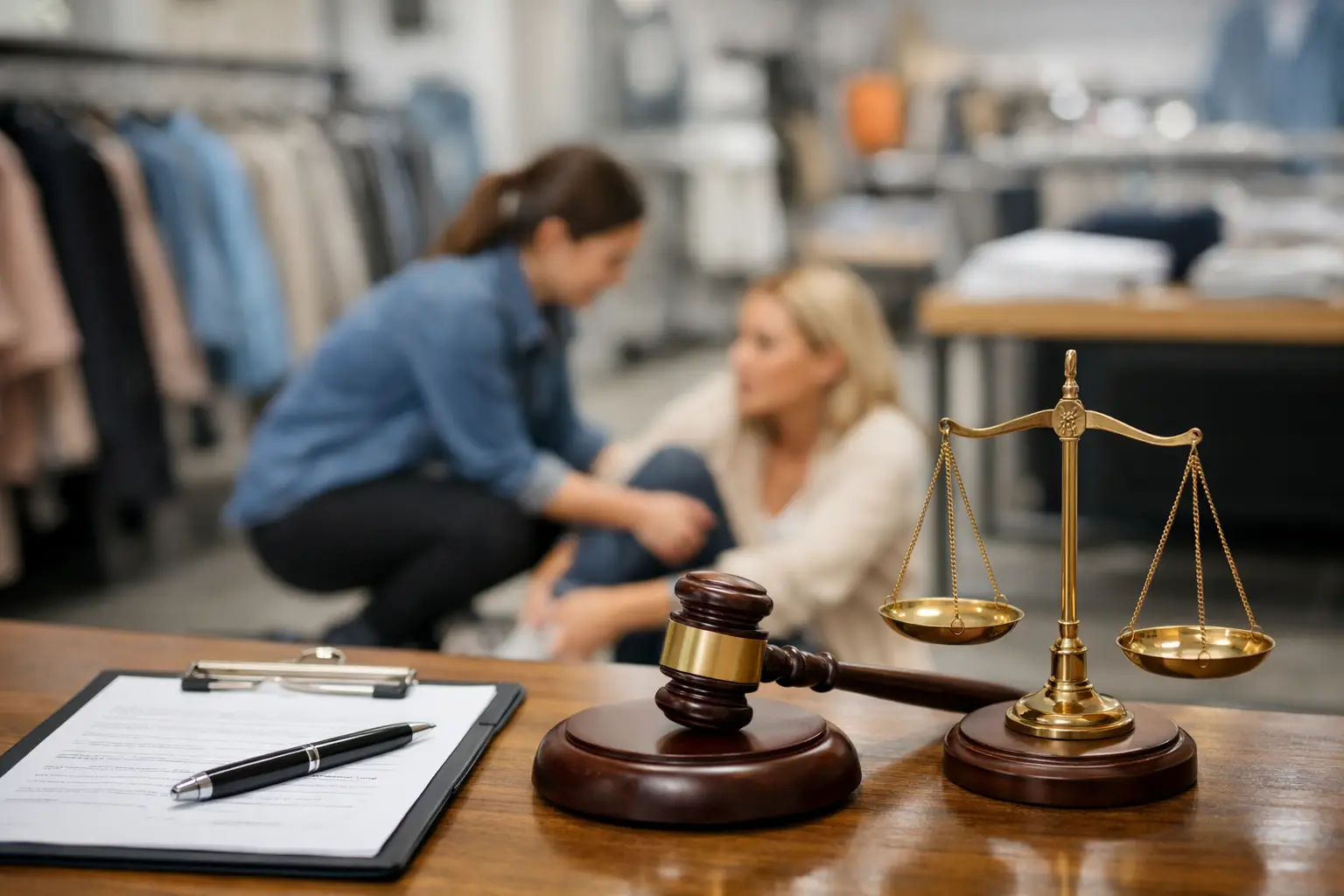
A customer slips near your entrance on a rainy afternoon. Another says your display shelf scratched their designer bag. Then your landlord asks for proof of coverage before handing over the keys. That is where retail store liability insurance stops feeling optional and starts feeling like part of opening your doors the right way.
If you are launching a boutique, convenience store, gift shop, beauty supply store, or other small retail business, liability coverage is often one of the first policies to look at. Not because every claim is likely, but because one accident, one allegation, or one lawsuit can turn a normal week into a cash drain fast. For many first-time owners, the goal is simple: get the coverage that fits the store you are building without overcomplicating the process.
What retail store liability insurance usually means
In most cases, when people say retail store liability insurance, they are talking about general liability insurance for a retail business. This coverage is designed to help if your store is blamed for bodily injury, property damage, or certain personal and advertising injury claims.
A common example is a customer slipping on a freshly mopped floor. Another is a delivery person tripping over inventory left in a walkway. If your business is found responsible, general liability coverage may help with legal defense costs, settlements, or medical expenses, depending on the claim and the policy terms.
It can also help with property damage claims. Say an employee accidentally damages a customer's laptop during a checkout interaction, or your rolling display bumps into another tenant's glass door in a shared retail center. These are the kinds of events that can trigger liability questions.
For many retail owners, this policy is also practical for everyday business requirements. Landlords often ask for proof of coverage before a lease starts. Vendors, event organizers, and local partners may ask for a certificate of insurance too.
What it typically covers and what it does not
General liability is broad, but it is not a catch-all. That distinction matters because many new owners assume one policy covers every business risk.
Retail store liability insurance typically helps with third-party bodily injury and property damage claims. It may also include coverage for legal defense and some personal and advertising injury claims, such as libel or copyright issues tied to marketing. The exact wording depends on the policy.
What it usually does not cover is just as important. It generally does not pay for damage to your own business property, theft of your inventory, employee injuries, professional mistakes, or auto accidents involving business vehicles. Those risks may call for commercial property insurance, workers' compensation, professional liability, or commercial auto coverage.
If you sell products, there is another layer to think about. Many general liability policies can include product liability exposure, but the details matter. If a customer claims an item you sold caused injury or damage, that may fall under the policy, but not every product risk is treated the same way. A store selling clothing may be viewed differently from one selling supplements, cosmetics, electronics, or imported toys.
That is why the right question is not just, Do I have liability insurance? It is, Do I have the kind of liability coverage that matches what my store actually does?
Why retail businesses face more liability risk than they expect
Retail stores are public-facing by design. You invite customers, vendors, couriers, and maintenance workers into your space every day. More foot traffic usually means more opportunities for accidents, misunderstandings, and claims.
Some risks are obvious, like slips, trips, and falls. Others are less visible. A crowded aisle, poor lighting, unstable shelving, loose cords near the register, or a wet entryway during a storm can all create liability issues. Seasonal rushes can make this worse, especially when stores add temporary displays or pack inventory into tighter spaces.
There is also the simple reality that claims do not always depend on fault being clear. A person can allege your store caused an injury even if you believe you did nothing wrong. In that situation, legal defense alone can be expensive. That is one reason many small retailers buy coverage early, even before they feel fully established.
For California shop owners, this can be especially relevant in high-traffic retail areas where lease requirements are strict and customer volume can shift quickly. Even a small storefront can carry meaningful exposure.
How much coverage a retail store may need
There is no one-size-fits-all number. The right limit depends on your location, lease terms, store size, daily foot traffic, products sold, and how much risk you can realistically absorb on your own.
Many small retailers start with standard general liability limits, often because landlords and common lease agreements expect them. But minimum required coverage is not always the same as adequate coverage. If your store is in a busy shopping center, hosts events, or sells products with higher injury potential, higher limits may make sense.
It also depends on your business stage. A brand-new store trying to control startup costs may want a practical baseline policy that satisfies lease and vendor requirements. A more established retailer with stronger revenue and more exposure may want broader protection or additional policies alongside general liability.
The best approach is to compare quotes based on the real details of your business, not just the cheapest number on the screen. Lower premium can be attractive, but only if the coverage still fits the risk.
What affects the cost of retail store liability insurance
Price varies because insurers look at the business behind the application, not just the industry label.
Your store type matters. A gift shop and a vape shop will not be priced the same. The products you sell, your annual revenue, your physical layout, prior claims history, number of employees, and whether customers regularly visit the premises can all affect cost. Your location can matter too, along with the coverage limits and deductible you choose.
A small retailer with modest foot traffic and low-risk merchandise may pay less than a store with frequent customer volume and products that create more potential for injury claims. The cleanest way to understand your likely cost is to compare multiple quote options based on accurate business details.
That is where a simpler shopping process helps. Instead of guessing which insurer is the right fit, you can start with your store profile and review options that make sense for your operation.
How to shop for retail store liability insurance without wasting time
Start with the basics. Know your legal business name, entity type, estimated revenue, store address, number of employees, and a clear description of what you sell. If you have a lease, check the insurance section before you request quotes. It may specify minimum limits, additional insured requirements, or certificate wording.
Next, be precise about your operations. If you sell products online and in-store, mention both. If you host pop-ups, sidewalk sales, or community events, include that too. Small details can affect both eligibility and pricing.
Then compare coverage, not just premium. Ask what the general liability policy covers, what common exclusions apply, and whether product liability exposure is contemplated in the quote. If your landlord needs proof of insurance quickly, ask how fast certificates can be issued once a policy is in place.
For first-time owners, speed matters, but clarity matters more. A fast quote is helpful only if you understand what you are buying. Platforms such as myperfect.insure are built around that balance - helping business owners shop for general liability options without having to chase multiple carriers one by one.
Mistakes new retail owners often make
One common mistake is waiting until a landlord, market organizer, or vendor asks for proof of insurance at the last minute. That creates pressure and can lead to rushed decisions.
Another is assuming a basic policy covers every possible claim. It does not. General liability is a strong starting point, but retail businesses often need to think beyond customer injury claims, especially if they carry expensive inventory, have employees, or use vehicles for deliveries.
A third mistake is underdescribing the business. If your application says gift shop, but you also sell candles, cosmetics, imported electronics, or packaged food, that needs to be disclosed clearly. Better accuracy upfront usually leads to better quote matching and fewer surprises later.
Retail insurance does not need to be hard. It just needs to fit. When you know what your store actually needs protection from, it becomes much easier to compare options with confidence and move forward without second-guessing every term on the page.
If you are opening a store, think of liability coverage as part of your setup, not a box to check later. The right policy can help you meet lease requirements, handle the unexpected, and keep your attention where it belongs - on growing the business you worked hard to start.